Mobile Bingo Adaptations Drive Shifts in Sustained Player Approaches Within Networked Platforms
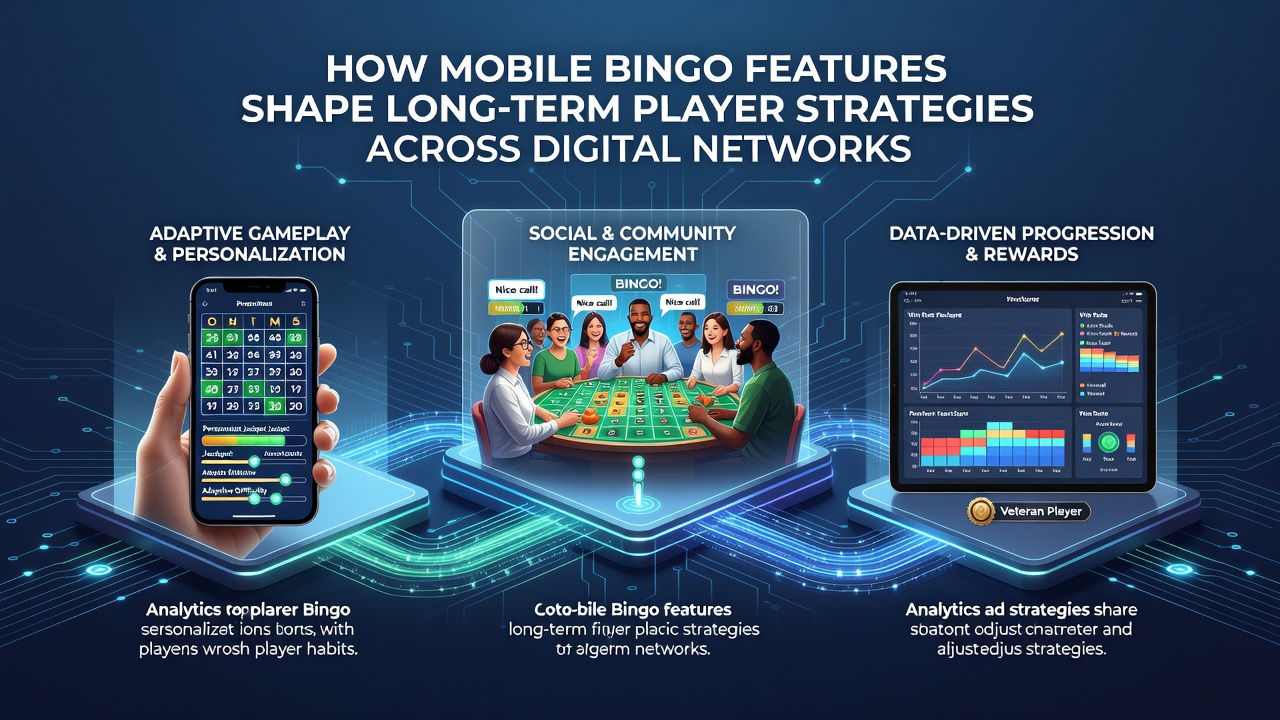
Digital bingo networks have expanded rapidly since the widespread adoption of smartphones, and mobile features now play a central role in how participants plan their involvement over months and years. Players access real-time game rooms, personalized alerts, and integrated payment systems through dedicated applications that connect multiple platforms simultaneously.
Core Mobile Features in Contemporary Bingo Networks
Applications provide instant notifications for game starts, bonus rounds, and community events while incorporating geolocation tools that adjust availability based on regional rules. Push messages arrive at optimized intervals according to user activity logs, which encourages consistent logins without overwhelming participants. Social chat functions allow direct interaction between players across different operators, and this connectivity fosters group formations that extend beyond single sessions.
Payment integrations support one-tap deposits and withdrawals through stored credentials, reducing friction during extended play periods. Data tracking within apps displays historical win rates, session durations, and preferred game variants, giving users concrete metrics to review before committing to future schedules. As of June 2026, several major networks reported that over 65 percent of active accounts engage primarily through mobile interfaces rather than desktop versions.
Formation of Long-Term Strategies Through App Functionalities
Participants develop routines around notification schedules and reward calendars that appear within the apps. One common approach involves setting recurring reminders for progressive jackpot games while monitoring loyalty point accumulation across linked networks. These patterns emerge because apps consolidate information from multiple operators into unified dashboards, allowing direct comparison of payout structures and event timings.
Researchers at the University of Nevada, Las Vegas have documented how mobile analytics tools influence decision-making by presenting visual graphs of past performance. Players adjust their participation frequency based on these displays, often shifting toward networks that offer higher retention bonuses tied to consecutive login streaks. Group challenges hosted within apps further shape collective strategies, where members coordinate entries to maximize shared prize pools.

Cross-Platform Network Effects on Player Behavior
Interconnected digital networks enable seamless account transfers and shared progress tracking, which alters how individuals allocate time and resources. A player might begin on one regional platform yet migrate activity to another based on mobile-exclusive promotions that appear during peak hours. This fluidity stems from API integrations that synchronize user data across borders while respecting local licensing requirements.
According to figures from the Canadian Gaming Association, mobile-linked loyalty programs now account for a substantial portion of retention metrics in cross-border bingo operations. Participants track tiered rewards through single-app interfaces, leading to sustained engagement with specific networks that update their mobile features more frequently. Observers note that these systems reward consistent multi-platform activity rather than isolated sessions on any single site.
Regulatory and Technological Influences on Strategy Evolution
Regional authorities in Australia and parts of the European Union have implemented guidelines that affect mobile feature design, particularly around responsible gaming prompts and data privacy controls. These requirements appear as in-app tools that let users set spending limits or session reminders, and players incorporate these safeguards into broader planning approaches. The result is strategies that balance entertainment value with structured breaks prompted directly by the applications.
Technological upgrades such as augmented reality overlays in select bingo rooms add layers to traditional gameplay, encouraging longer-term experimentation among users who test new interfaces. Networks that deploy these elements see shifts in player migration patterns as documented in industry reports from the European Gaming and Betting Association.
Conclusion
Mobile bingo features continue to redefine how participants map their involvement across digital networks through integrated tools, data visibility, and cross-platform connectivity. These elements produce measurable changes in engagement duration and network selection, supported by ongoing updates in application capabilities. Players who utilize teh full range of available functions demonstrate distinct patterns compared with those limited to basic access methods.