Navigating Player Loyalty Through Layered Reward Systems in Evolving Bingo Networks
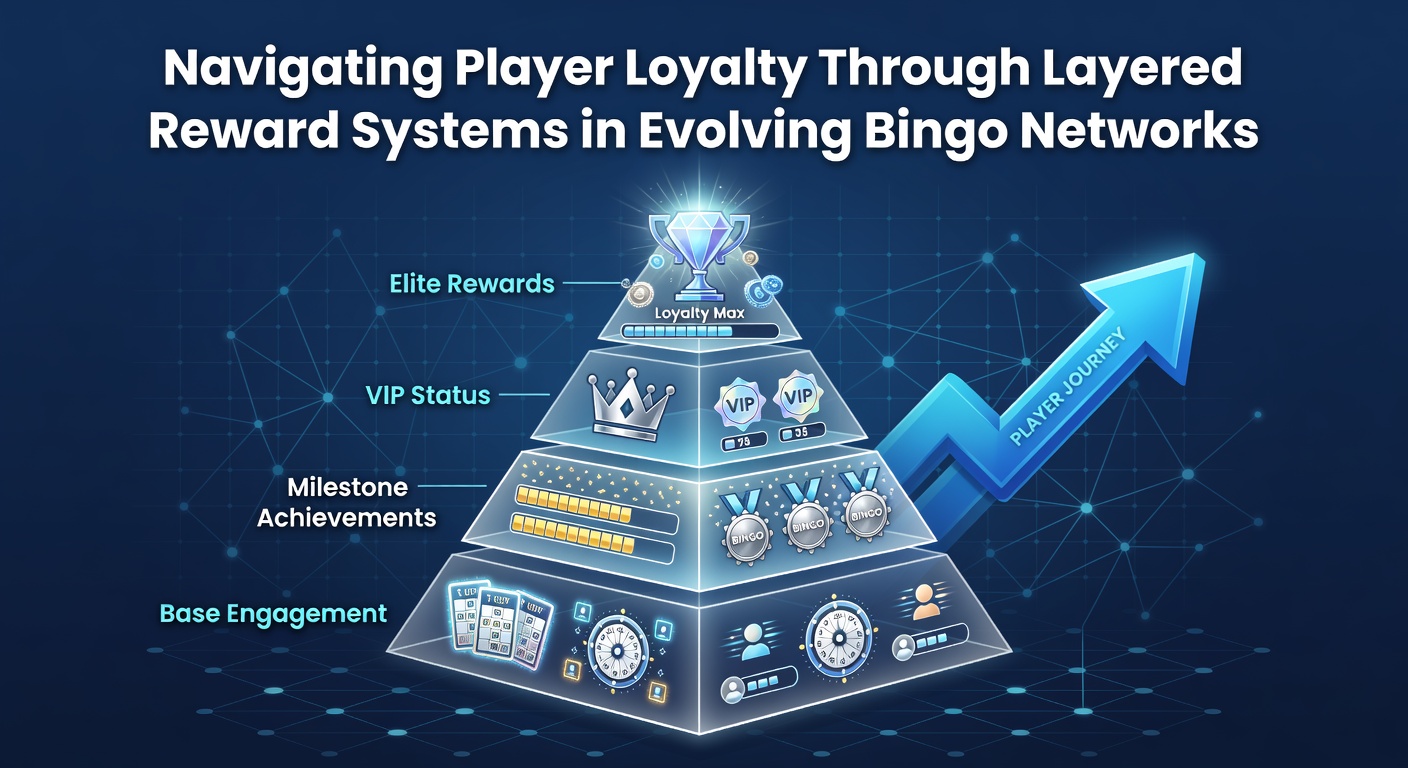
Layered reward systems have become central to how bingo networks maintain player engagement across expanding digital platforms and operators have implemented multi-tier structures that track activity levels while distributing benefits accordingly. These frameworks typically divide participants into categories such as entry-level, intermediate and premium segments based on cumulative play metrics including session frequency and total stakes wagered over defined periods. Data compiled through June 2026 shows network operators adjusting these tiers dynamically to reflect seasonal participation shifts and regional market variations.
Core Components of Tiered Loyalty Structures
Bingo networks integrate points accumulation mechanisms that convert gameplay into redeemable credits while higher tiers unlock accelerated earning rates and exclusive access privileges. Players advance through layers when they meet predetermined thresholds and this progression often incorporates both quantitative measures like total bets placed and qualitative factors such as consistent participation across multiple game formats. Industry reports indicate that operators synchronize these systems with broader network protocols allowing seamless benefit transfers between affiliated sites and applications.
Redemption options span categories from bonus rounds and cashback percentages to physical merchandise and event invitations yet the allocation scales according to tier status. Lower layers receive standard returns on activity while premium participants access personalized offers and priority customer support channels. This differentiation encourages sustained involvement and data from multiple operators reveals retention rates climbing notably among those who reach intermediate and advanced levels within six months of enrollment.
Integration With Evolving Network Technologies
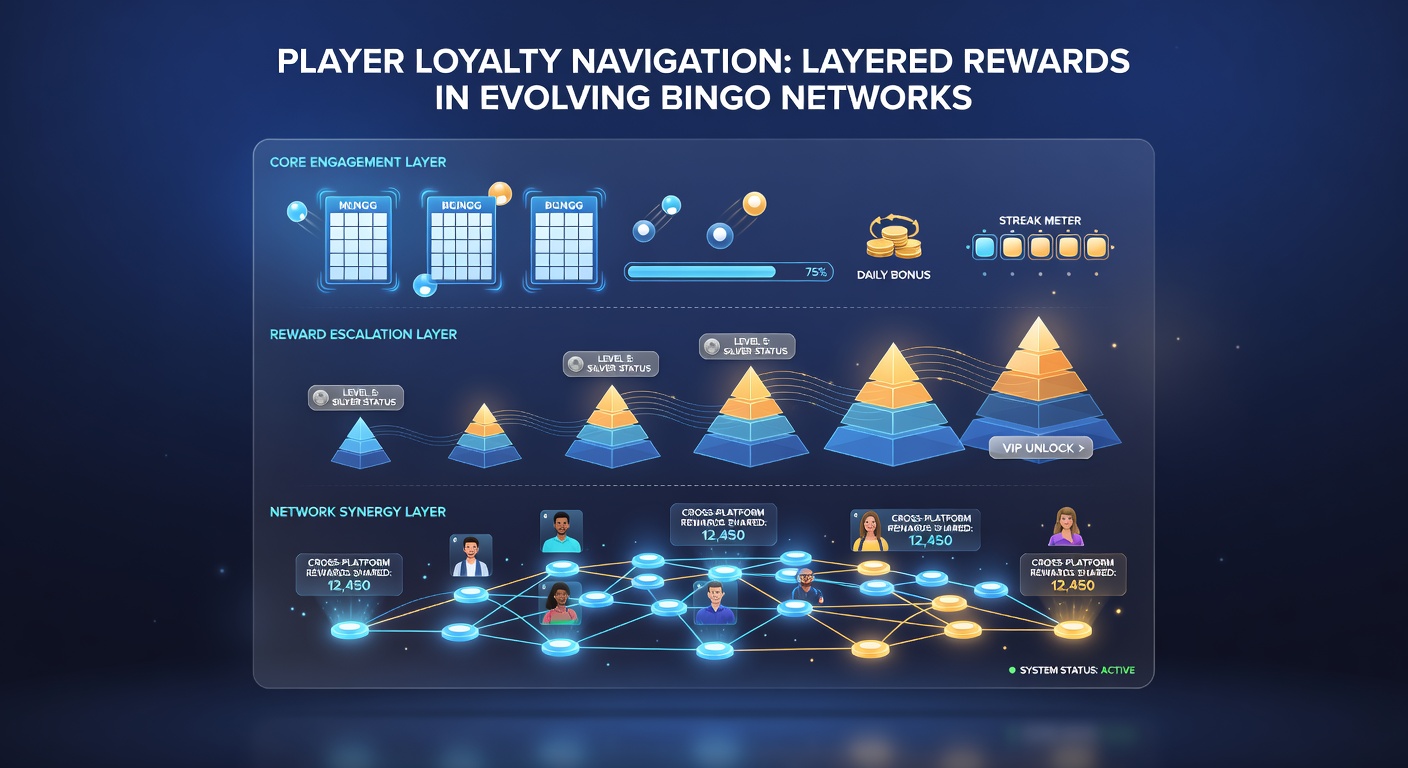
Modern bingo platforms incorporate real-time tracking tools that update player profiles instantly across connected servers and this connectivity supports the layered reward delivery by enabling instant tier adjustments following significant gameplay milestones. Networks have expanded through mergers and partnerships that consolidate user bases under unified loyalty programs and such consolidations allow operators to pool resources for larger reward pools and more varied incentive options. Observers note that these technological evolutions facilitate cross-promotional activities where players earn points through bingo sessions that apply toward rewards in linked casino or slots environments.
Security protocols have advanced alongside these systems to protect accumulated benefits and transaction histories and regulatory frameworks in various jurisdictions require transparent reporting on how reward algorithms distribute value. A study released by the University of Nevada Reno examined network loyalty data patterns and found that layered structures correlate with increased average session durations when participants perceive clear pathways to higher benefits. Meanwhile Canadian provincial gaming authorities have documented similar trends in their annual summaries of digital bingo operations.
Regional Variations in Implementation
European operators often emphasize social and community-oriented rewards within their layered programs while North American networks prioritize cash-equivalent incentives and tournament entries. Australian regulatory bodies have introduced guidelines that mandate clear disclosure of tier requirements and this approach has influenced how operators communicate progression criteria to participants. Data compiled through June 2026 indicates that networks operating across borders adapt their systems to comply with local rules yet maintain core structural consistency to preserve user familiarity.
Partnerships with payment processors and third-party analytics firms further refine these programs by providing predictive modeling that forecasts when players approach tier thresholds and operators use these insights to deliver timely nudges that encourage continued activity. Such integrations have expanded the scope of rewards to include experiences like virtual events and charity contributions that align with broader player demographics.
Challenges and Adjustments in Dynamic Markets
Network expansion brings complexities in maintaining equitable reward distribution as user volumes grow and operators address this through algorithmic balancing that prevents tier inflation and preserves perceived value. Research from the Gambling Research Exchange Ontario highlights how periodic recalibrations of point values and benefit schedules help sustain engagement without inflating operational costs disproportionately. Players in evolving networks often encounter seasonal promotions that temporarily boost earning multipliers and these events integrate with base tier structures to create hybrid incentive layers.
Communication strategies play a key role in guiding participants through system changes and operators deploy in-app notifications along with email summaries that detail current standing and upcoming opportunities. This transparency supports informed decision-making among players regarding their participation levels and activity patterns.
Conclusion
Layered reward systems continue to shape player retention strategies within bingo networks as operators refine these frameworks to match technological capabilities and market demands. Through June 2026 available figures reveal consistent application of tiered models across regions with adaptations that respect local regulations while leveraging network connectivity for enhanced delivery. The approach connects gameplay metrics directly to escalating benefits and this linkage underpins ongoing developments in how networks structure loyalty initiatives.