Traditional Practices from Bingo Halls Shaping Reward Customization in Digital Platforms
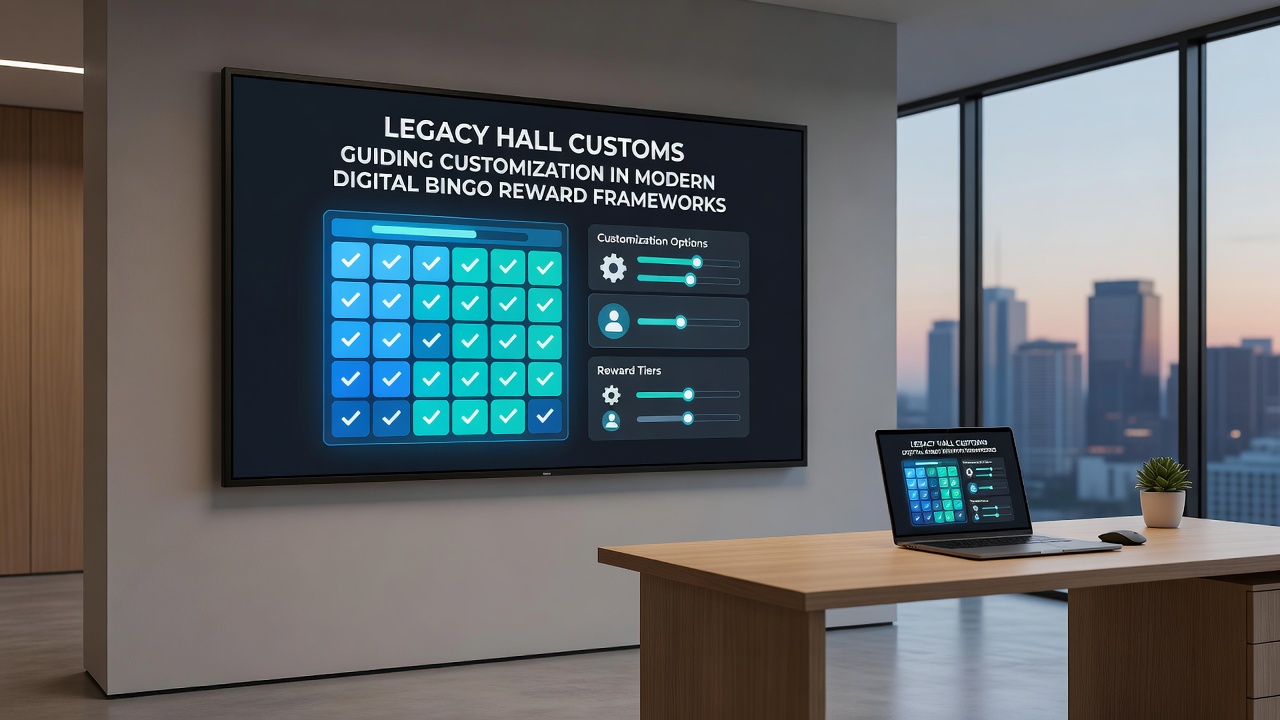
Legacy customs from physical bingo halls continue to influence how developers build customization options into modern digital reward frameworks, and these adaptations appear across platforms that blend old community rituals with new technology features. Observers note that patterns like numbered ball sequences, caller interactions, and group participation rituals from the 20th century now guide algorithms that adjust prize tiers, badge collections, and streak bonuses based on individual play histories.
Those who study gaming evolution point out that early bingo halls relied on face-to-face recognition and verbal encouragement to keep players engaged over long sessions, while today's systems replicate similar dynamics through personalized notifications and reward ladders that evolve with each user's session length and frequency. Data from industry analyses in July 2026 shows increased adoption of these hybrid models as operators seek to maintain retention rates that once depended on physical presence alone.
Core Customs Transferred into Digital Structures
Callers in traditional halls often varied their pacing and added personal anecdotes to maintain energy, and this approach now translates into dynamic reward messages that change tone and timing according to detected user behavior patterns. Research indicates that platforms incorporate variable reward timing drawn directly from these live sessions, creating sequences where bonuses unlock at intervals that mimic the anticipation built during a physical game round. Figures reveal that such custom pacing improves session completion rates compared to static systems that ignore these historical rhythms.
Another transferred element involves the social layering once common in halls, where players formed informal groups around shared tables and celebrated wins collectively. Digital frameworks replicate this through tiered community challenges that unlock group rewards when multiple accounts reach simultaneous milestones, and developers base the challenge structures on observed patterns from mid-20th century bingo clubs. Those who've examined player logs note that these group-based customizations increase daily active participation without requiring physical co-location.
Customization Mechanics Rooted in Hall Traditions
Customization options in reward frameworks often center on modifiable elements such as avatar clothing, notification sounds, and progress trackers that echo the personal flair players once brought to their bingo cards through markers and lucky charms. Platforms allow users to adjust visual themes based on historical hall aesthetics, ranging from classic carpet patterns to vintage caller podium designs, and these choices directly affect how rewards display during play. Evidence suggests that offering such visual customizations leads to higher engagement because they connect users to familiar cultural references rather than generic interfaces.
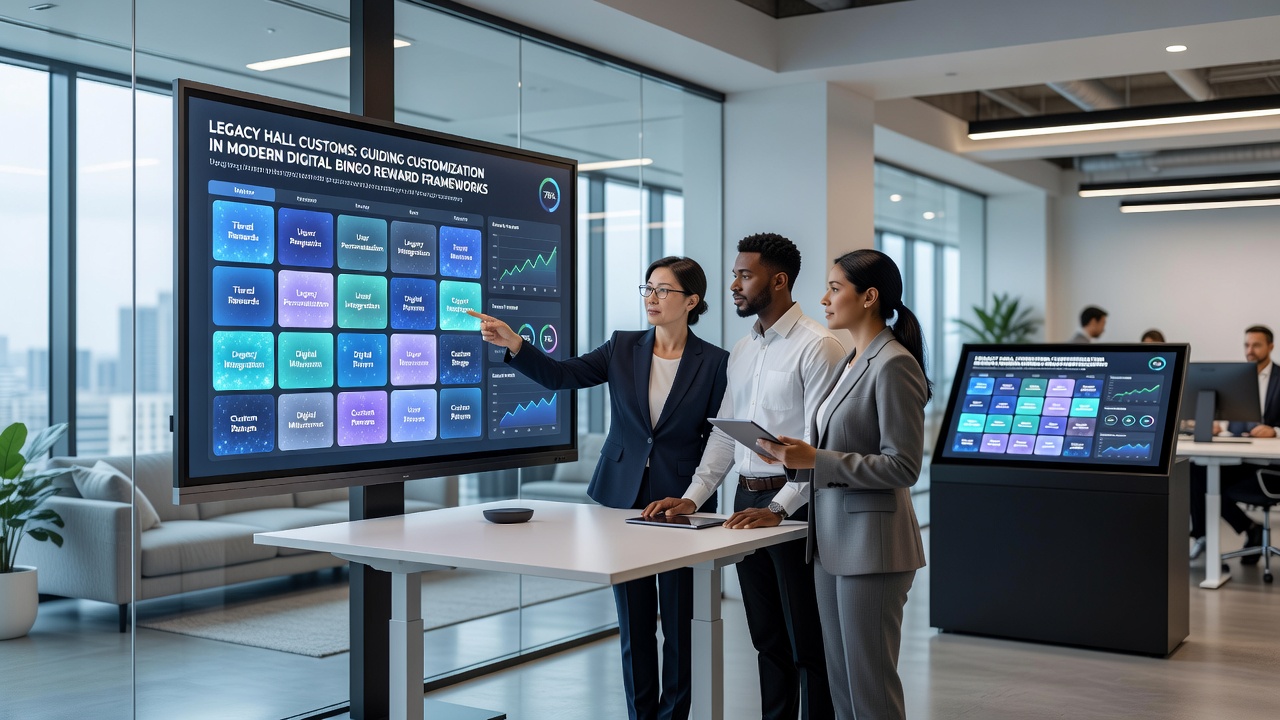
Streak bonuses represent another area where legacy practices guide modern design, since halls rewarded consistent attendance with escalating perks like reserved seating or extra cards. Current systems mirror this progression through escalating point multipliers that activate after consecutive login days, and the multiplier values often follow sequences documented in historical attendance records from large venues. One study revealed that these streak mechanics, when calibrated to historical attendance curves, produce steadier user retention across weekly cycles.
Regional Regulatory Context and Industry Data
Regulatory frameworks in various jurisdictions shape how these customizations appear in live systems, and operators must align reward structures with local standards that sometimes reference older community gaming norms. Reports from the Alcohol and Gaming Commission of Ontario highlight requirements for transparent customization rules that prevent hidden mechanics from overriding player choices, while similar guidelines appear in updates issued during July 2026 across multiple North American markets. Alcohol and Gaming Commission of Ontario documentation notes that customized reward paths must remain auditable to ensure fairness across diverse user groups.
Industry organizations such as the National Council on Problem Gambling track how these inherited customs affect player behavior when translated digitally, and their analyses emphasize the need for clear disclosure of how legacy-based algorithms influence prize distribution. Data shared in mid-2026 reports shows regional variations where platforms in certain markets prioritize community-style rewards over individual ones to match established cultural expectations. Those monitoring adoption trends observe that frameworks incorporating these elements achieve broader compliance while preserving the engagement patterns first established in physical halls.
Implementation Examples Across Platforms
Platforms that integrate legacy hall customs into reward customization often feature selectable game modes that alter reward frequency and type according to user-selected preferences rooted in historical play styles. For instance, one mode might emphasize rapid small rewards drawn from quick-call traditions, whereas another stretches progression toward larger community milestones that replicate extended evening sessions. Observers note that users frequently switch between these modes based on time availability, and the switching mechanics themselves draw from flexible attendance patterns once seen in multi-session hall environments.
Badge and achievement systems further demonstrate this guidance, as they incorporate imagery and unlock conditions tied to classic hall events such as blackout rounds or themed nights. Developers calibrate the difficulty curves using data from archived hall records, ensuring that digital milestones feel attainable yet meaningful in ways that echo past accomplishments. Research indicates that such historically informed badges sustain long-term interest better than purely invented systems lacking cultural anchors.
Conclusion
Legacy hall customs continue to provide foundational templates for customization within modern digital bingo reward frameworks, and operators apply these templates through mechanics that preserve community rhythms, personal expression, and progressive recognition. As updates roll out through 2026 and beyond, the integration of these traditions supports both regulatory compliance and sustained player interaction across varied markets. The patterns established in physical venues decades ago remain active guides for how digital systems evolve their reward offerings today.